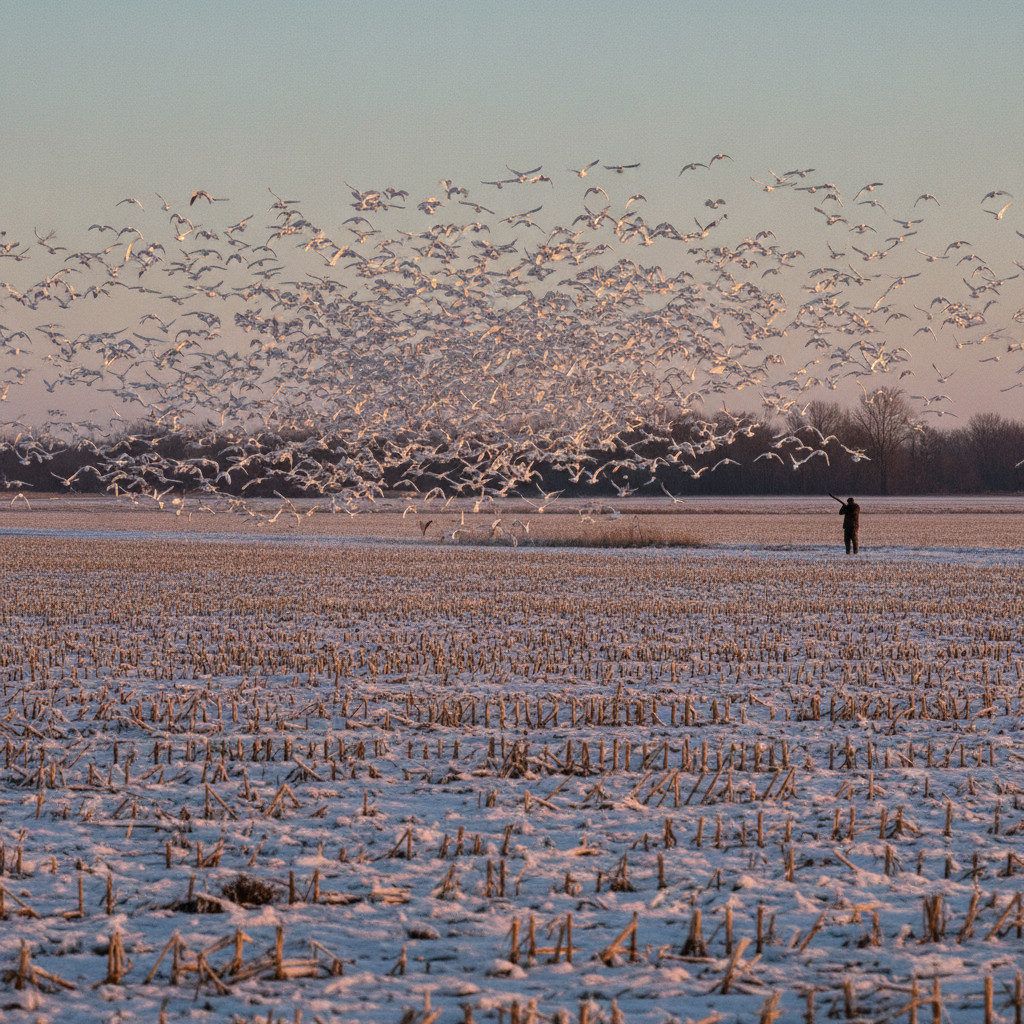
Part 1 — How the Bootheel Got Its Shape
Back around 1818, a fellow named John Hardeman Walker had himself a pile of swamp land that was about to get left behind in Arkansas. So he lobbied hard — and I mean hard — and got Missouri's border dropped 50 miles south, straight through the swamp. That's why Missouri's got that boot-shaped toe hanging into Arkansas.
Before that, the New Madrid earthquakes of 1811–12 were so strong they made the Mississippi run backward for a spell.
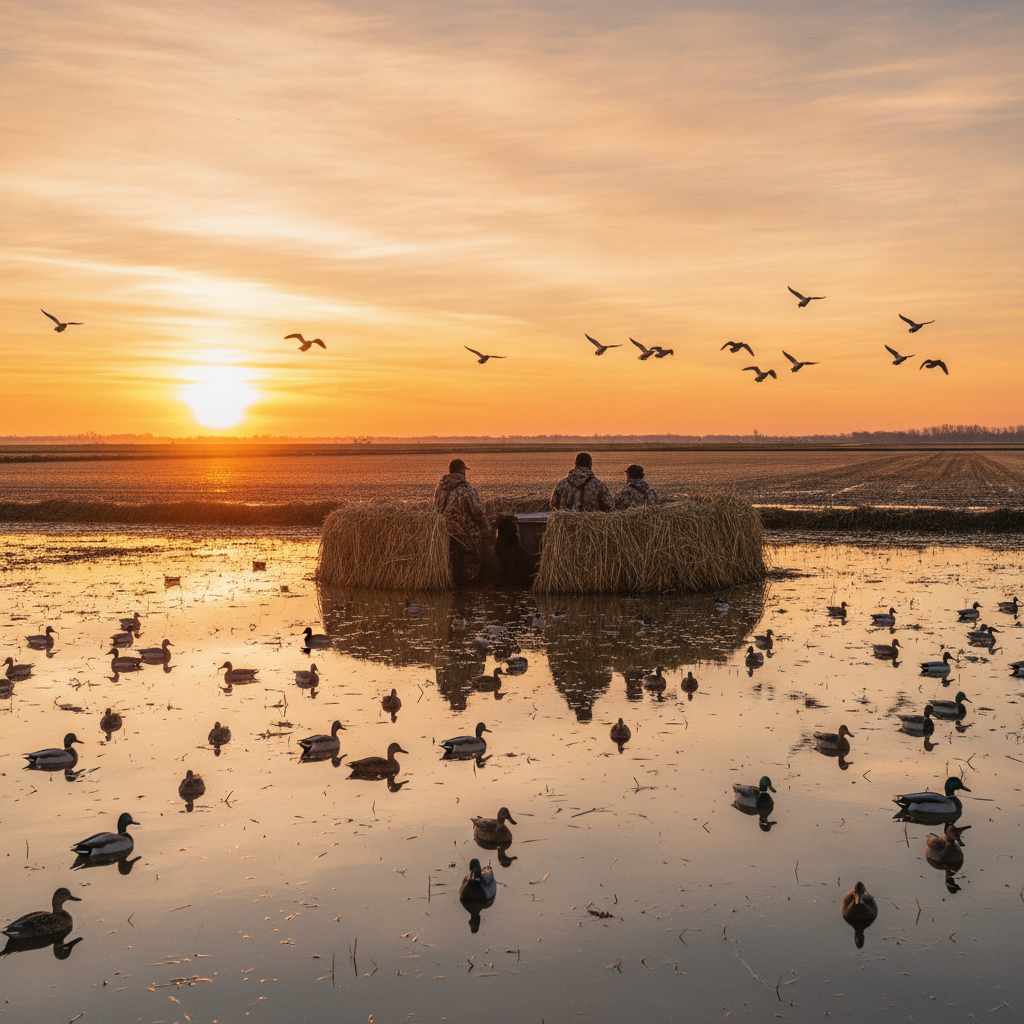
Part 2 — Draining the Swamp (Bigger Than the Panama Canal)
By the early 1900s, folks dug a maze of ditches and levees — over 950 miles of 'em — to drain the wetlands and make farmland. They moved more earth doing it than they did building the Panama Canal. The ducks lost their old homes, but it set the stage for what came next.
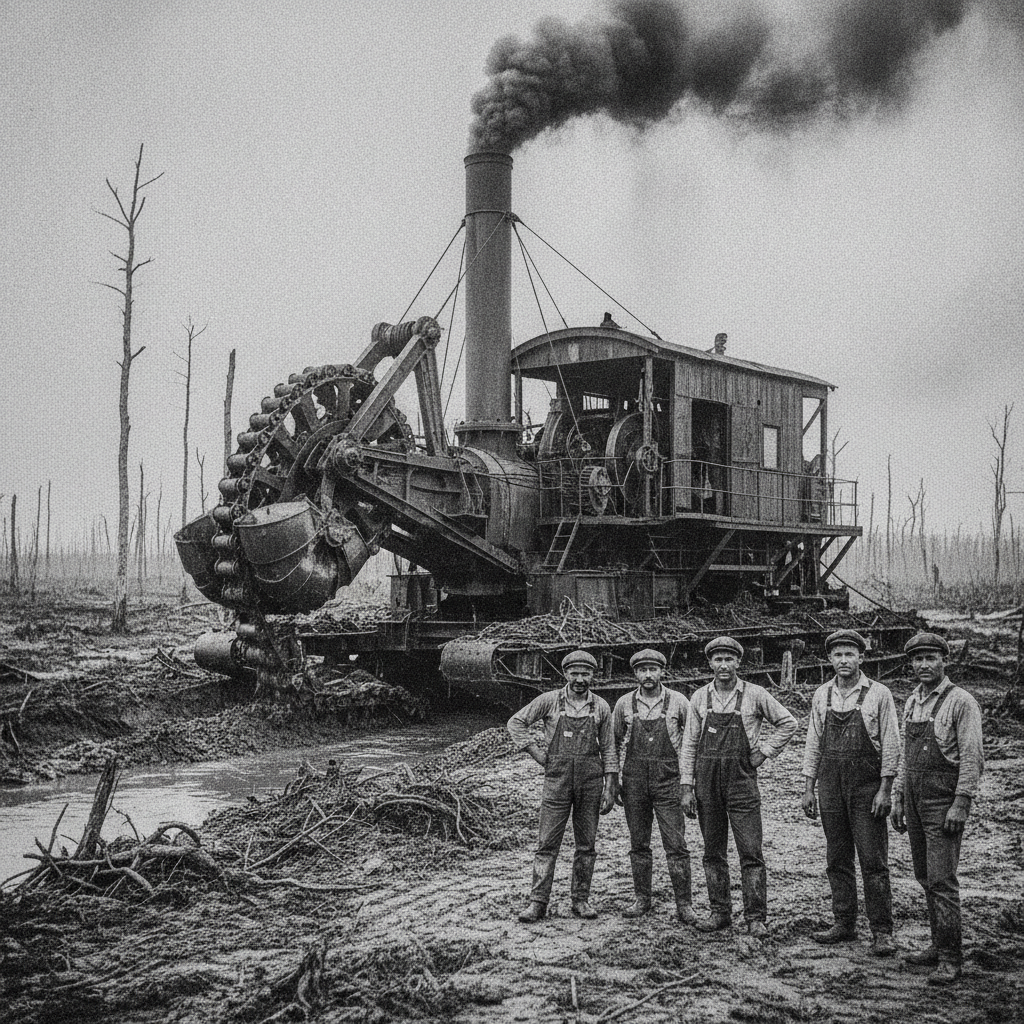
Part 3 — The Market-Hunting Days & the Duck-Call Makers
Before the laws came, men shot ducks by the wagonload and shipped 'em by rail to fancy restaurants in New York and Chicago. Folks around Hornersville even carved duck calls built for the timber — one fella, Victor Beckhart, made a "Big Lake style" call back in 1890 that collectors pay good money for today.
The market hunting ended when the Migratory Bird Treaty Act came in, and a famous court case — Missouri v. Holland — settled it.
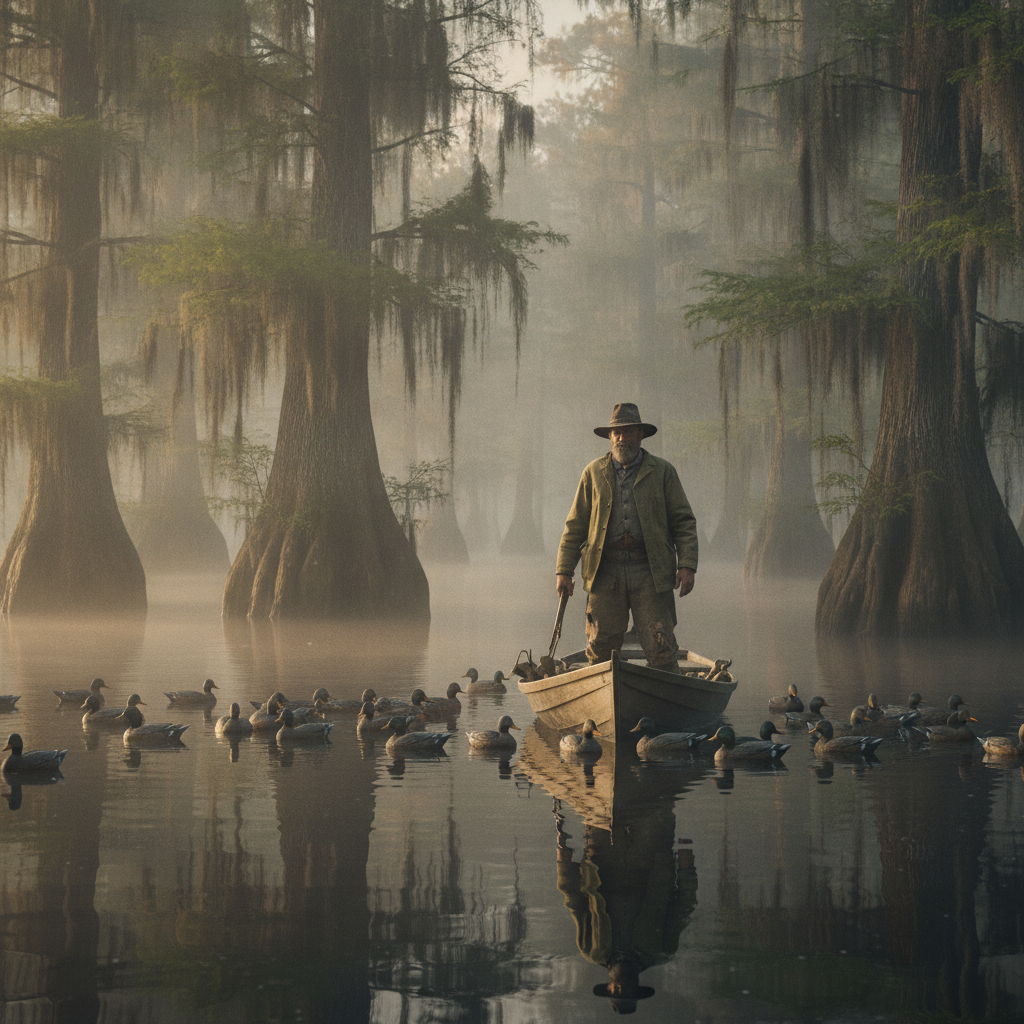
Part 4 — How Rice Brought the Ducks Back
Here's the turnaround. Farmers started flooding their rice fields in winter, and the ducks came back by the hundreds of thousands to eat the waste grain. Places like Mingo National Wildlife Refuge were set aside to give 'em a resting spot.
Today the Bootheel is the duck-hunting capital of the Midwest — and you're right in the middle of it.